
TL;DR: In September 2025, the Home Office confirmed a sharp rise in enforcement activity, including a record number of sponsor-licence revocations, tighter compliance checks, and updated immigration-rule guidance. For Nigerians (students, sponsored workers, family migrants, and employers), the immediate risks are: sponsors being suspended or losing licence status, tougher document checks at the visa stage, and faster follow-through on enforcement. Prepare now: verify sponsors, tighten documents, and plan for slower windows and extra scrutiny. (GOV.UK)
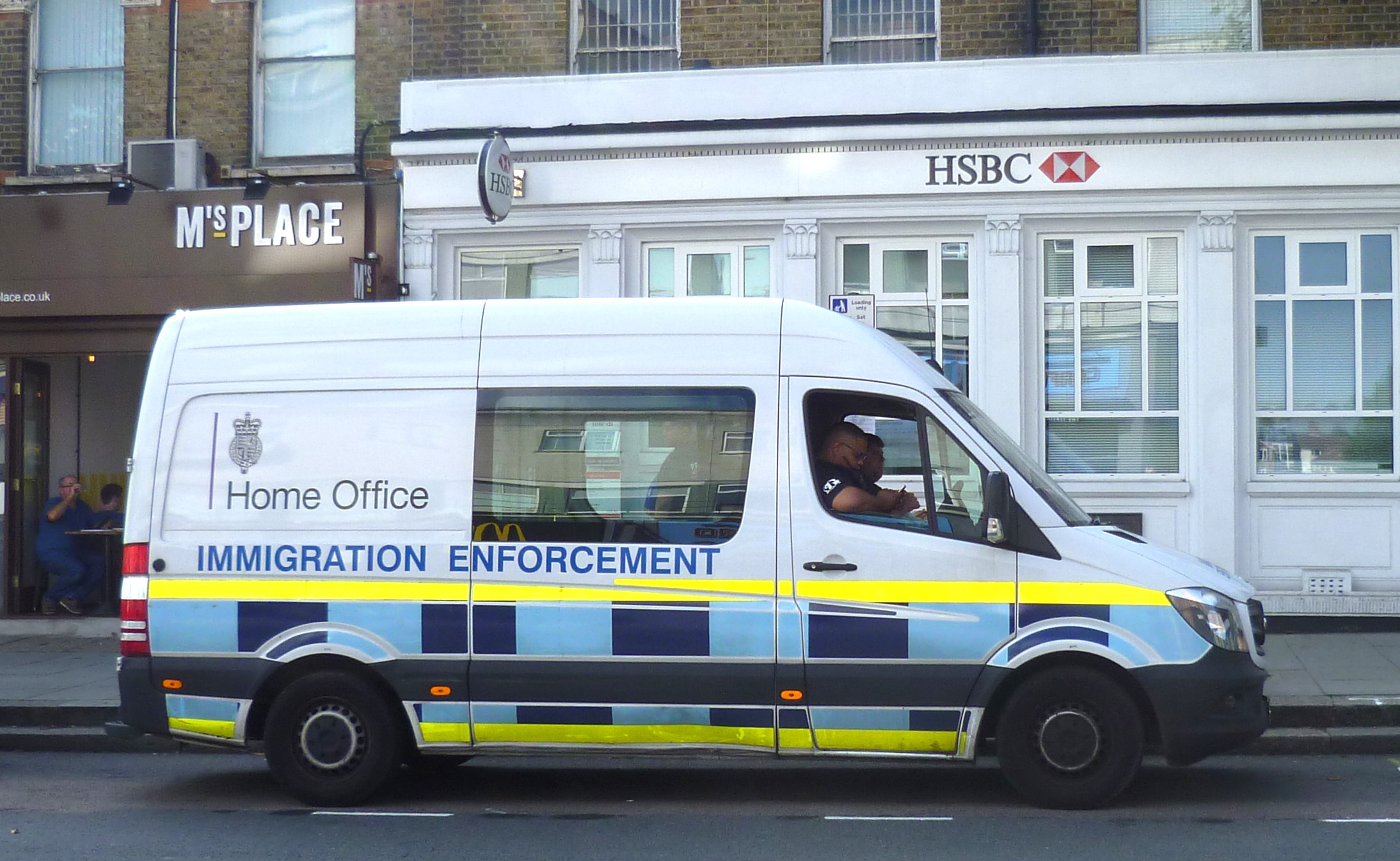
1) The headlines — what changed in September 2025 (short version)
- The UK Home Office reported a record surge in revoked sponsor licences: 1,948 licences were revoked between July 2024 and June 2025, more than double the previous year. This announcement arrived in September and signals a clear shift toward stricter sponsor compliance and enforcement. (GOV.UK)
- Parliament received updated immigration rules materials in early September (Statement of Changes and explanatory memoranda), reflecting rule tweaks that immigration lawyers and sponsors must track closely. (GOV.UK)
- Practically, regulators are combining intelligence-led checks with more aggressive follow-ups: suspensions, revocations, and investigations are higher year-on-year. That means employers and applicants face a tougher environment than in recent years. (CRS)
2) Why this matters for Nigerians (students, workers, families)
Three simple facts explain the impact:
- Sponsor safety is not guaranteed. If your UK employer or education provider loses or has its sponsor licence suspended, any sponsored visa linked to that sponsor can be jeopardised. In some cases, employees must leave the UK within a limited window if the licence is revoked. (GOV.UK)
- Stricter checks mean more pre-application work. Expect requests for better-verified bank statements, clearer sponsor documentation, and demonstrable employment/study legitimacy. This is especially relevant to applicants from countries where overstays or irregular routes have been headline issues. (The Guardian)
- Enforcement is faster and more targeted. The Home Office is using data and intelligence to identify non-compliant sponsors and employers, then pursue suspensions or revocations, which have direct consequences for sponsored visas and dependents. (Free Movement)
Put bluntly: the system now punishes sponsor failings more quickly, and applicants caught in the middle can lose their UK status through no fault of their own.
3) The data that matters (quick summary)
- 1,948 sponsor licences revoked between July 2024 and June 2025 (Home Office transparency figure). That’s the biggest annual total on record and illustrates both an enforcement ramp and the scale of non-compliance uncovered. (GOV.UK)
- Multiple sector reports and watchdog findings (especially in social care) show that exploitation and poor recordkeeping have been central drivers of revocations — a policy focus the Home Office has been explicit about. (The Guardian)
These numbers aren’t abstract — they represent entire companies losing the right to sponsor overseas workers, which in turn affects thousands of migrant workers and students.
4) Who is most at risk (and why)
- Sponsored workers (Skilled Worker route): If the employer’s sponsorship licence is suspended, workers may be given only a short time to switch sponsors or leave the UK. This particularly affects lower-paid roles and sectors with rapid churn (care, hospitality, retail). (Financial Times)
- International students: While universities are generally stable sponsors, pathway providers or small private colleges can be flagged. Students reliant on third-party accommodation or questionable agents should be cautious. (The Guardian)
- Family migrants & dependents: A principal sponsor’s licence problems can cascade to dependents’ status.
- Employers & agents: Businesses that fail to do proper right-to-work checks, misreport change of circumstances, or hire through dubious sub-contracting chains are obvious targets for enforcement. (colmancoyle.com)
5) Practical, step-by-step actions for Nigerian applicants (what you can do today)
These are fast, realistic steps you can complete now or in the next 48–72 hours.
Immediate (today — 15–30 mins)
- Verify your sponsor on the GOV.UK sponsor register. Don’t rely on the employer’s word — check the official register. (GOV.UK)
- Save proof: copy your CAS/offer letter, employment contract, sponsor licence confirmation screenshot, and any emails showing the sponsor’s registration. Store in cloud + phone.
- Bank evidence: assemble 6 months of bank statements and a short, signed note explaining the source of any large deposits.
Short term (48 hrs — 7 days)
4. Write a 300–500-word study or job intent statement explaining how the course or job connects to your background and future plans.
5. Confirm accommodation for arrival (university halls confirmation or a printed short-term booking).
6. Collect contact details: university international office, sponsor HR contact, immigration solicitor/agent.
If you’re already in the UK on a sponsored route
7. Monitor sponsor communications daily. If your employer signals potential compliance issues, immediately consult an immigration lawyer; there is often a 20–60 day window to respond or switch. (Legal 500)
6) Practical actions for Nigerian employers, agents, and UK sponsors
If you’re advising clients or you run a business that sponsors staff, these steps protect your licence and the people you sponsor:
- Audit your right-to-work checks and document retention practices. Keep dated copies and the logic used for every check.
- Run monthly compliance checks on sponsored roles: salary, duties, hours, and any changes in job title or location.
- Train HR on reporting duties: the SMS (Sponsorship Management System) must be updated for address changes, unpaid absences, and dismissals. Failure to report is a leading cause of enforcement action. (colmancoyle.com)
- Limit chains of subcontracting that obscure who the real employer is; the Home Office scrutinises these arrangements.
- Get legal or specialist support before a Home Office compliance visit; firms that respond proactively often avoid revocation.
7) Common questions Nigerians ask — short answers
Q: If my sponsor loses its licence, do I automatically lose my visa?
A: You don’t automatically “lose” your visa the instant a sponsor is suspended, but your status becomes precarious. The Home Office sets deadlines for switching employers or leaving. Get legal help urgently. (Legal 500)
Q: Are universities safe sponsors?
A: Most universities hold robust licences and compliance capacity, but smaller private providers and pathway colleges sometimes face greater risk. Verify the provider and ask for direct confirmation of sponsorship status.
Q: Should I use an agent?
A: Use only registered, reputable agents. Avoid anyone who guarantees visas. Ask for testimonials and a written scope of services.
8) What does the data suggest about the future
The record revocations and ongoing rule changes suggest the Home Office will continue an intelligence-led enforcement strategy in the near term. That typically means more targeted checks rather than blanket bans, but targeted checks can hit individuals and organisations hard. Expect more sponsor inspections, more requirements for traceable evidence, and higher penalties for exploitation or poor records. (Free Movement)
9) Final checklist — what to do before you apply or travel
- ✔️ Confirm sponsor licence on GOV.UK. (GOV.UK)
- ✔️ Bundle a Visa Pack: passport, CAS/offer, 6 months bank, study/job statement, accommodation proof, sponsor screenshots.
- ✔️ Ask your sponsor for a written confirmation of their licence number and a contact in HR who handles sponsorship matters.
- ✔️ If already sponsored, consider a legal check if your employer has a history of adverse notices or poor press.
- ✔️ Keep copies of every email, payslip, or official correspondence; they matter.
Closing: don’t panic — prepare intelligently
The September 2025 updates are a clear signal: the UK is serious about sponsor compliance and faster enforcement. That’s uncomfortable news if you rely on a sponsor, but it also makes good preparation a powerful advantage. Verify sponsors, document everything carefully, and get a pre-submission review if you can. For Nigerians planning study, work, or family migration, these steps dramatically reduce risk and give you options if problems emerge.
Key sources & further reading: Home Office transparency release on sponsor-licence revocations and the September Statement of Changes to immigration rules. (GOV.UK)