
In 2025, the US has turned social media into ‘political passports’ for visa applicants; your online presence can now make or break your application. If you’re a Nigerian travelling to the US, this new enhanced screening means vetting for all applicants is deeper. Here’s how to prepare.
Introduction
If you’re a Nigerian planning to travel to the US, whether for study, work, tourism, or a family visit, the landscape just shifted. The term social media into ‘political passports’ sums it up: your digital footprint is no longer optional for scrutiny. The U.S. Department of State (DOS) has rolled out enhanced screening and vetting for all applicants, signalling that social-media activity can feed directly into visa decisions. Reuters+4Visa Lawyer Blog+4Law Offices of Spar & Bernstein+4
For Nigerian applicants, the implications are real. This is no longer just about paperwork; it’s about how you present yourself online, what you’ve posted, liked, or shared, and even what you might have omitted.
What’s Changing: The Enhanced Screening Landscape
New guidelines and why they matter
In May 2025, a cable dated 27 May instructed U.S. diplomatic posts to pause scheduling new student-/exchange-visitor visa appointments while the vetting rules were updated. KPMG+2Global Immigration Blog+2
By 18 June 2025, the DOS resumed appointments but under a new directive: a “comprehensive and thorough vetting … including online presence” for all F, M, and J non-immigrant visa applicants. Applicants were instructed to adjust their social-media profiles to “public” so they can be reviewed. International Students & Scholars+2Law Offices of Spar & Bernstein+2
Essentially, every applicant’s online footprint is now part of the vetting process.
What “Social Media into ‘political passports’” really means
The idea is this: your social-media profile becomes a kind of “passport” of your beliefs, associations, past behaviour, and risk-factors. The screening is not simply “have you posted something bad?” but “does your online activity indicate intent or affiliation inconsistent with the visa you seek?” For example: Visa Lawyer Blog+1
-
Private or hidden accounts may be viewed as evasive. Visa Lawyer Blog
-
Posts, likes or affiliations that indicate “hostile attitudes toward our citizens, culture, government, institutions, or founding principles” may trigger refusal. The Guardian+2TIME+2
-
Disclosure of all social-media handles used in the past five years may be required. NAFSA+1
What this means in practice: your online activity is now part of the narrative you present when you apply for a visa. It’s more than filling out form DS-160—it’s your full digital character being measured.
How the Changes Affect Nigerian Applicants
Typical Nigerian visa-applicant profile
Many Nigerians applying for US visas may fall into categories such as business visitors, family visit, tourism, study, or work-related non-immigrant visas. Traditionally the focus was on documentation: finances, ties to Nigeria, intent to return. Now, layer on the online footprint.
If you are active on platforms such as X (formerly Twitter), Facebook, Instagram, YouTube, LinkedIn, you may have posts, shares or affiliations visible. Even if you rarely post, you still may have connections, likes, group memberships, or other footprints.
A quick hypothetical: A Nigerian student who has posted about political protests, or commented on foreign policy issues, this may now be flagged under the new vetting standards.
Key risk areas and common mistakes
-
Invisible or locked accounts: With new rules a locked or private profile can be considered evasive. Visa Lawyer Blog+1
-
Omission of old handles: Not listing old usernames may count as incomplete disclosure. The Times of India
-
Posts or likes reflecting activism: Even if not illegal, they may raise questions of intent or consistency with visa conditions. Reuters
-
Mismatch between claimed purpose and online presence: For example, you apply for tourist visa but your profile is full of career-oriented posts as though you intend to stay long-term.
Important takeaway: Your social media presence is no longer disconnected from your visa application, it’s part of the screening.
Second important takeaway: Being proactive clears risk, review your online presence before you apply.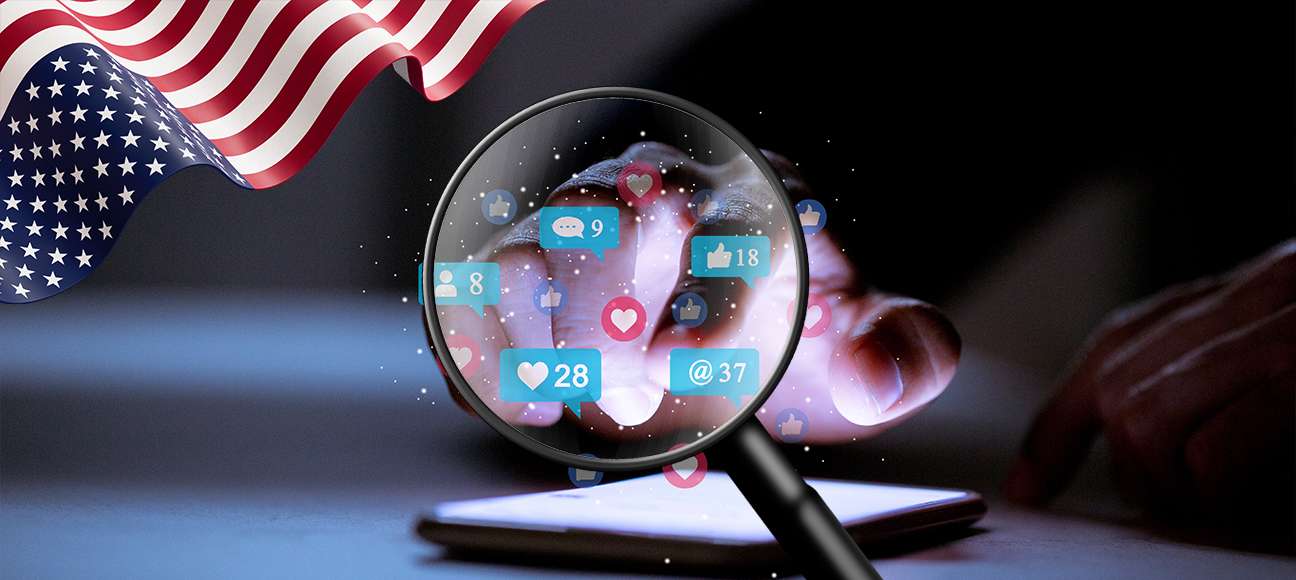
Actionable Checklist: Preparing Your Online Footprint for US Visa Vetting
Use this checklist to prepare—takes under 15 minutes:
-
List all social-media platforms you have used in the past five years (Facebook, Instagram, X, LinkedIn, YouTube).
-
Ensure you have disclosed all relevant handles on form DS-160 (if applicable).
-
Check your profiles for past posts, likes, shares or comments that may be interpreted as activism, hostility toward governments or institutions.
-
If you have private profiles, consider making them public or archiving content you deem sensitive. The guidance says private/limited access may be treated as evasiveness. Visa Lawyer Blog+1
-
Update your bio/profile information so that it aligns with your travel purpose (tourist, business, study). Avoid mixed or contradictory messaging.
-
Temporarily remove or archive older posts that may raise flags (for example, strong political statements, large-scale activism, affiliations with controversial groups).
-
Print or save a summary of your current online presence (screenshots, profile links) in case you’re asked for clarification at the visa interview.
-
Ensure your offline documentation (purpose of travel, financials, ties to Nigeria) is consistent with what your online footprint suggests.
-
Be ready to explain any online activity clearly in your interview: the “why” behind posts, groups, or content.
-
Check that your email linked to your visa application is consistent with your online footprint; avoid mismatches (e.g., professional email vs. social-media name).
Step-by-Step Strategy: Navigating the 2025 US Visa Vetting Process
Before you apply
-
Audit your digital first — Use the checklist above.
-
Clean up your online presence — This is not about hiding everything, but aligning what’s visible with your travel story.
-
Prepare your documentation — Your purpose of travel must be clear, honest and supported with proof (business letter, invitation, itinerary, etc.).
-
Complete the form — On DS-160 or relevant form, disclose all required social media handles and usernames.
-
Schedule your appointment — Be aware: due to enhanced screening the interview scheduling may face delays. KPMG+1
At the interview and what to expect
-
The consular officer may ask: “Can you explain your online presence … these posts/affiliations?”
-
You may be asked to make your social-media account(s) public. Not doing so might be interpreted as evasive. The Guardian
-
Be honest. If you changed your username or deleted posts, be ready to explain why.
-
Bring your “roadmap”: show how your travel fits your profile, your ties to Nigeria (job, family, property) and how you intend to comply with visa terms.
-
Be calm. This enhanced screening is new for many applicants; being well-prepared gives you confidence.
Key Takeaways & Closing Thoughts
For Nigerians travelling to the US in 2025, the message is clear: your social media into ‘political passports’ means your online presence is now under the lens—alongside everything else. The good news? With proactive preparation, you control much of what this means.
Follow the checklist. Align your online footprint. Be transparent. The enhanced screening and vetting for all applicants doesn’t have to block your access it simply raises the bar for readiness.
When you’re ready, trust in a process done right: Suave Consulting guides you with a trustworthy guarantee, helping you present your full case for visa success.